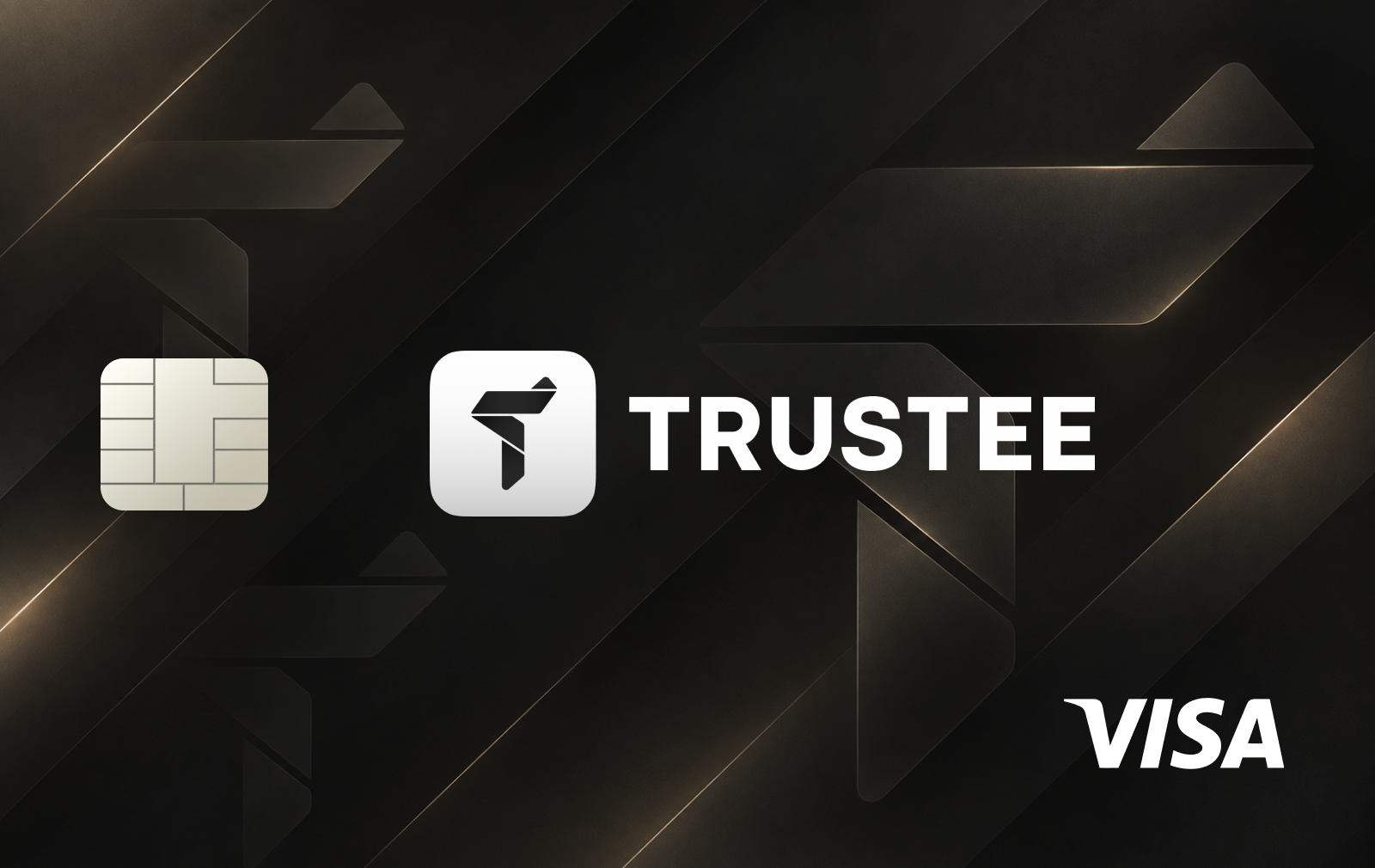
Bringin Card is a Visa debit card built around Bringin's Bitcoin and euro payment infrastructure. It is available in virtual and physical formats and can be funded through a personal EUR account, Bitcoin on-chain transfers or Lightning.
The broader Bringin setup is Bitcoin-only. Users can keep BTC in Bringin's self-custodial Lightning wallet or any external wallet and move only the amount they want to spend. Bitcoin sent toward the euro card balance is converted into EUR before it becomes available for conventional card payments.
Funding and custody
Bringin's Bitcoin wallet is self-custodial, with keys stored on the user's device. The card layer works differently: EUR funds and the personal vIBAN are provided through regulated payment infrastructure, while the Visa card is issued by Wallester.
The card can be linked to a Bringin EUR or virtual-asset account. When Bitcoin is converted into the EUR card balance, Lightspark Payments Europe handles the crypto-to-fiat conversion. This separation means the user's long-term Bitcoin holdings do not need to remain with a centralized exchange simply to use the card.
Fees
Access to Bringin Card requires a Pro subscription. The current card page advertises the subscription at €3.49 per month when paid annually.
The first virtual and physical cards are included for Pro members. Additional virtual cards cost €1 and additional physical cards €5. Standard physical-card delivery costs €2.50, faster delivery €3 and express delivery €30.
There is no monthly card maintenance fee and Bringin lists a 0% foreign-exchange fee for non-EUR card payments.
Bitcoin-to-euro conversion normally carries a 1% fee. Bringin also notes that the underlying Bitcoin price can include a market spread of up to 0.5%. The current legal fee schedule additionally lists a 1% card authorization fee when a virtual asset is used.
ATM withdrawals cost €2.50 per transaction under the current card terms.
Limits and card use
The standard card-payment limit is €10,000 per day and €15,000 per month. ATM withdrawals are limited to €350 per day and €3,000 per month, although actual limits can depend on the user's verification level.
Bringin supports multiple cards, including additional virtual cards and one-time virtual cards for online payments.
Google Pay, Samsung Pay, Fitbit Pay and Garmin Pay are supported. Direct Apple Pay support is still planned; Bringin currently points Apple Pay users to Curve as an intermediary.
Availability
Bringin Card requires KYC and is primarily available to eligible users in the EEA. Bringin maintains separate residency and citizenship restrictions, so having an address in Europe does not automatically guarantee approval.
Switzerland is supported for some Bringin account services, but card payments are currently unavailable there. Several nationalities and jurisdictions are also excluded from onboarding.
How to get the Bringin Card
Create a Bringin account and complete identity verification.
Activate a Bringin EUR account with a personal vIBAN.
Subscribe to Bringin Pro.
Issue the virtual Visa card or order the physical version.
Fund the account through SEPA or send Bitcoin on-chain or via Lightning.
Convert BTC into the card's EUR balance when needed.
Add the card to Google Pay or another supported mobile wallet.










No comments yet
Be the first to share a useful experience with this card.