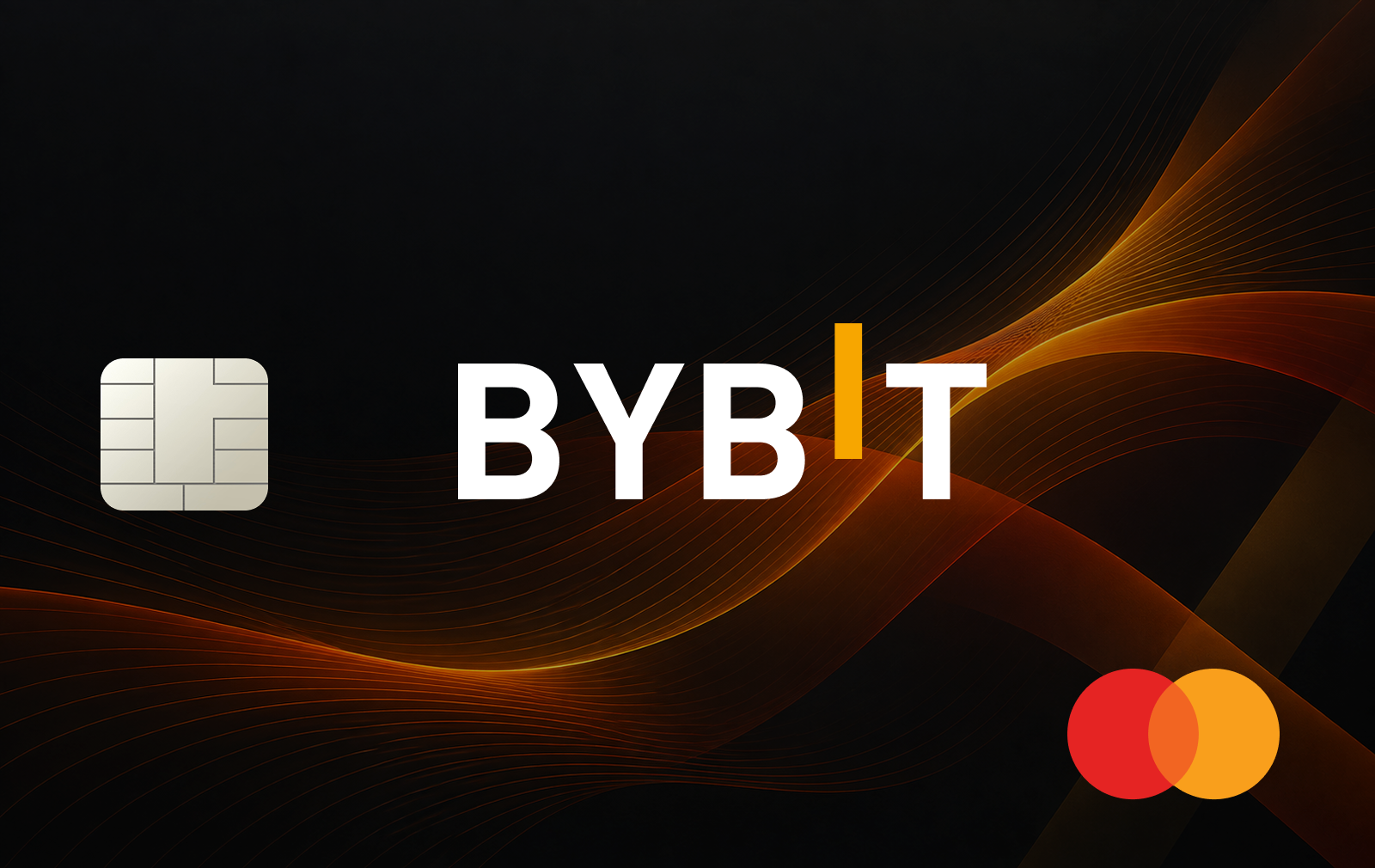
Bybit Card is connected directly to the custodial Bybit account rather than a separate card wallet. Payments first use the card's base fiat currency from the Funding Account, and if that balance is insufficient, Bybit automatically converts the selected crypto assets according to the payment priority configured by the user.
There is therefore no need to preload a separate card balance before every purchase. In supported programs, funds held in Flexible Easy Earn can also contribute to the amount available for card spending.
Bybit Card is not a single identical product worldwide. Depending on the region, cards can be issued on Mastercard or Visa, operate as prepaid, debit or credit products and use different base currencies, fees and spending limits. EEA residents now use the separate Bybit EU Card program rather than the legacy Bybit.com European card.
Supported assets
The available payment assets depend on the regional program. The wider Bybit Card infrastructure supports major assets including USDT, USDC, BTC, ETH and XRP, with additional assets available in certain markets.
Users can choose which crypto assets are available for card payments and arrange their payment priority. Crypto is only converted when fiat in the Funding Account is insufficient to cover the transaction.
Bybit EU currently allows up to three payment crypto assets to be selected, with supported options including USDC, BTC, ETH, MNT, TON, XRP and EURC.
Fees
Crypto-funded transactions generally carry a conversion fee because Bybit sells the required asset using its One-Click Sell rate. Across many current Bybit.com card programs, this fee is 0.9%, although Argentina uses a different rate and regional exceptions apply.
Foreign-currency pricing also varies. Australia, Asia Pacific, Georgia and Mexico currently use a 2% FX fee, while Brazil, Argentina, Peru and Kazakhstan follow different regional structures.
Bybit EU has its own pricing. The current EU card charges a 0.9% crypto conversion fee and a 0.5% foreign-exchange fee on transactions made outside the card's base currency.
Virtual card issuance is currently free across the main programs. Physical-card pricing depends on region: some markets issue it free, while others charge between roughly $5 and $29.99. Under the current Bybit EU program, the first physical card is issued without a fee.
ATM withdrawals and limits
Physical Bybit Cards support ATM withdrawals, with limits depending heavily on the card program and account tier.
A common structure across several international programs is a 2% ATM fee after a monthly fee-free allowance. Bybit EU currently waives the Bybit ATM fee on the first €100 withdrawn each month and charges 2% afterward. ATM operators can add their own charges.
Spending limits also differ substantially. For example, the standard Bybit EU tiers currently range from €5,000 to €15,000 in daily spending and from €10,000 to €50,000 per month. Asia-Pacific accounts can qualify for substantially higher limits depending on tier.
Cashback and rewards
Bybit Card uses a Rewards Points system rather than a single universal cashback rate. Eligible card spending generates points that can be redeemed through the Rewards Market or automatically converted through Auto Cashback.
The reward structure is regional. Under the current Bybit EU program, non-VIP users receive 1% cashback on eligible spending, while VIP users can receive higher rates reaching up to 10%.
The wider Bybit.com rewards program uses spending and VIP tiers. Current rates begin at 2% on eligible transactions and can rise through higher tiers, subject to monthly reward caps.
ATM withdrawals, financial transactions, refunded payments and several excluded merchant categories do not generate rewards.
Availability and mobile payments
Bybit Card requires identity verification and is available only in supported jurisdictions. Bybit operates separate card programs in markets including the EEA, Australia, Argentina, Brazil, Georgia, Kazakhstan, Mexico, Peru and parts of Asia-Pacific.
Apple Pay and Google Pay availability also depends on the program. Google Pay is supported across most current regions, while Apple Pay is available in many but not all markets. Australia additionally supports Samsung Pay.
The card is custodial. Funds used for payments come from the user's Bybit Funding Account or supported Bybit earning products, and the associated private keys are not controlled by the cardholder.
How to get the Bybit Card
Create a Bybit or Bybit EU account for your region.
Complete the required identity verification.
Open the Card section and check regional eligibility.
Apply for the virtual card.
Configure the crypto assets and payment priority used for spending.
Add the card to Apple Pay or Google Pay if supported in your region.
Apply for a physical card after the virtual card has been approved, if physical issuance is available.






No comments yet
Be the first to share a useful experience with this card.