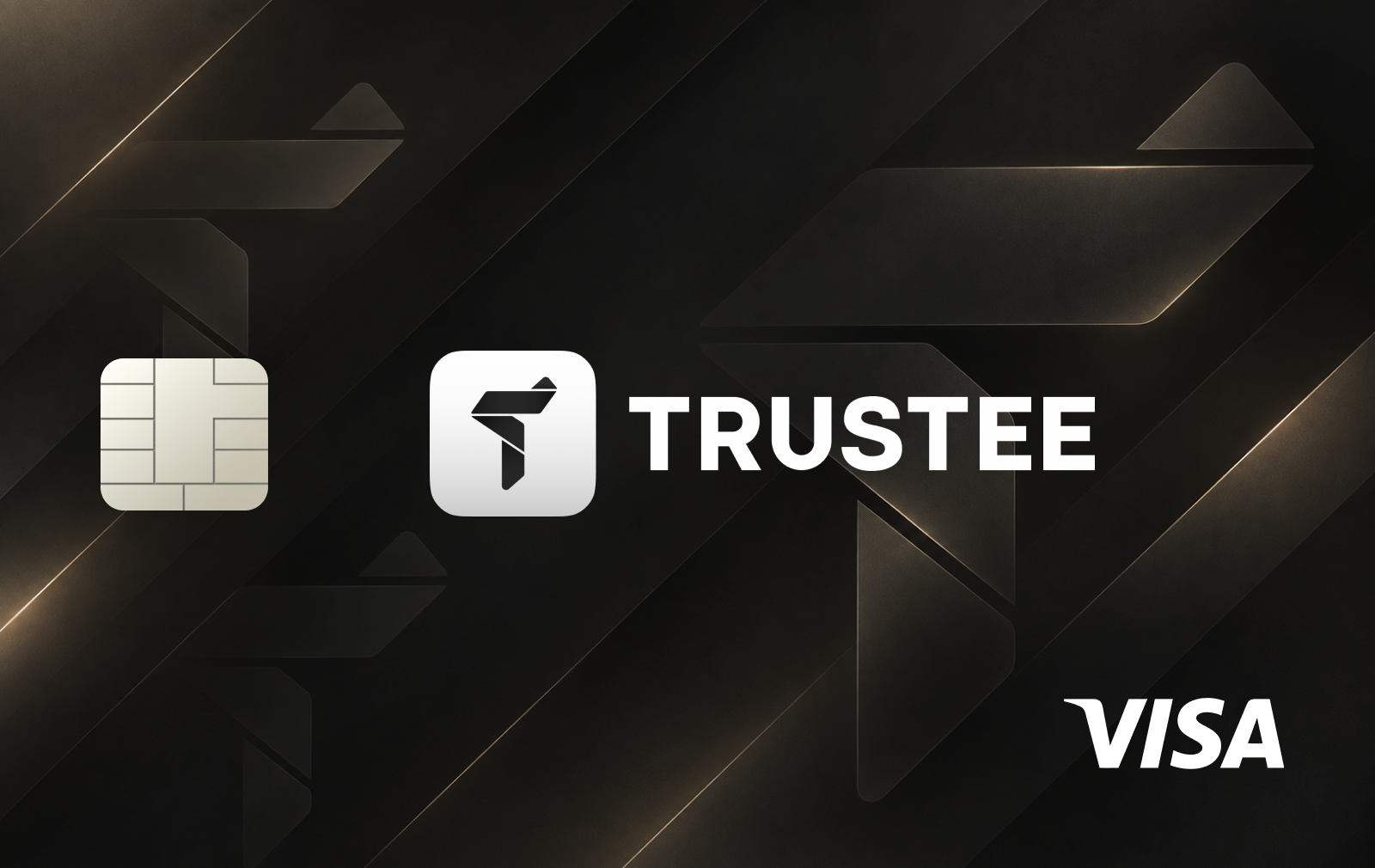
DeCard is a credit card developed by DCS, formerly Diners Club Singapore. It allows users to fund or repay their card accounts with stablecoins and make purchases at merchants accepting the applicable card network.
Unlike conventional prepaid crypto cards, DeCard operates through a credit-limit model. Approved users receive an initial spending limit, which can be increased through prepayments. Outstanding balances can be repaid using supported stablecoins, restoring the available credit.
The card is connected to D-Vault, the platform's payment and account management system. Stablecoins transferred for card funding are converted into the card's billing currency through a payment service provider.
DeCard offers SGD- and USD-denominated card programs. Both virtual and physical cards are available, with different fees depending on the card currency.
Supported assets
DeCard supports two stablecoins for card funding and repayments:
USDT — Ethereum, Tron, Solana and Polygon.
USDC — Ethereum, Solana, Polygon and Base.
Users deposit stablecoins through D-Vault, where the assets are converted into SGD or USD according to the selected card program.
DeCard lists no additional markup on digital asset conversion, using the applicable market exchange rate. Blockchain network fees may still apply when transferring assets.
The USD-denominated card supports transactions and repayments directly in USD, reducing unnecessary currency conversions for dollar-based spending.
Fees
Standard DeCard virtual cards are issued free of charge, with no annual membership fee.
Physical card issuance costs S$10 for the SGD card or $10 for the USD card. Additional delivery charges depend on the destination.
DeCard currently lists the following charges:
Stablecoin conversion — 0% additional markup at the applicable market rate.
Card funding — 0%.
Foreign-currency transactions — 1.8% FX fee.
ATM withdrawals — 1% of the withdrawal amount or S$5/$5, whichever is greater.
Inactivity — S$5 or $5 per card after 90 consecutive days without a qualifying transaction.
Because DeCard operates as a credit card, interest and late-payment charges can apply. The standard annual interest rate is 28% on qualifying unpaid balances. Missing a minimum repayment deadline results in a S$50 or $50 late-payment fee.
ATM withdrawals and limits
Physical DeCards support withdrawals at compatible ATMs.
The standard withdrawal limits are:
Up to $3,000 per transaction.
Up to $10,000 per day.
Up to $100,000 per month.
Maximum 20 withdrawals daily and 30 monthly.
Limits are expressed in the applicable card currency. ATM operators may impose additional transaction restrictions and fees.
Card spending capacity depends on the credit limit assigned by DCS and subsequent prepayments or repayments. Users can monitor available credit, review transactions and adjust applicable card controls through the DeCard app.
Rewards and cashback
DeCard uses the DePoints loyalty program rather than a fixed cashback rate.
Users earn 1 DePoint for every $1 spent on eligible card transactions. Points are credited after transaction settlement and remain valid for two years.
DePoints can be redeemed through the app for cash credits, vouchers, travel benefits, dining offers and other rewards. Their monetary value depends on the selected redemption option.
DeCard also operates temporary promotional campaigns and referral incentives.
The separate DeCard Luminaries product offers tiered cashback of up to 10%, but these rates do not apply to standard DeCard cards. Luminaries also carries a $388 annual membership fee.
Availability and mobile payments
DeCard is issued through Singapore-based DCS. The standard application requirements specify an age range of 18 to 70, with no minimum income requirement.
Singapore citizens and permanent residents can complete verification through Singpass. Other eligible applicants must provide identity and proof-of-address documents. International availability is subject to approval and local restrictions.
Google Pay is supported for compatible cards.
Apple Pay support is currently restricted. Since May 13, 2026, newly issued DCS cards cannot be added to Apple Wallet. Cards connected before that date can continue using Apple Pay.
The app also provides card freezing, transaction history and account management features.
How to get the DeCard
Download the DeCard app and register with a mobile number.
Open the Card section and select an available card program.
Complete identity verification using Singpass or the required documents.
Submit the application and wait for approval.
Activate the free virtual card and review the assigned credit limit.
Open D-Vault and select Pay to Card.
Choose USDT or USDC and a supported blockchain network.
Transfer stablecoins to fund or repay the card account.
Add the card to Google Pay if supported, or request a physical card.










No comments yet
Be the first to share a useful experience with this card.