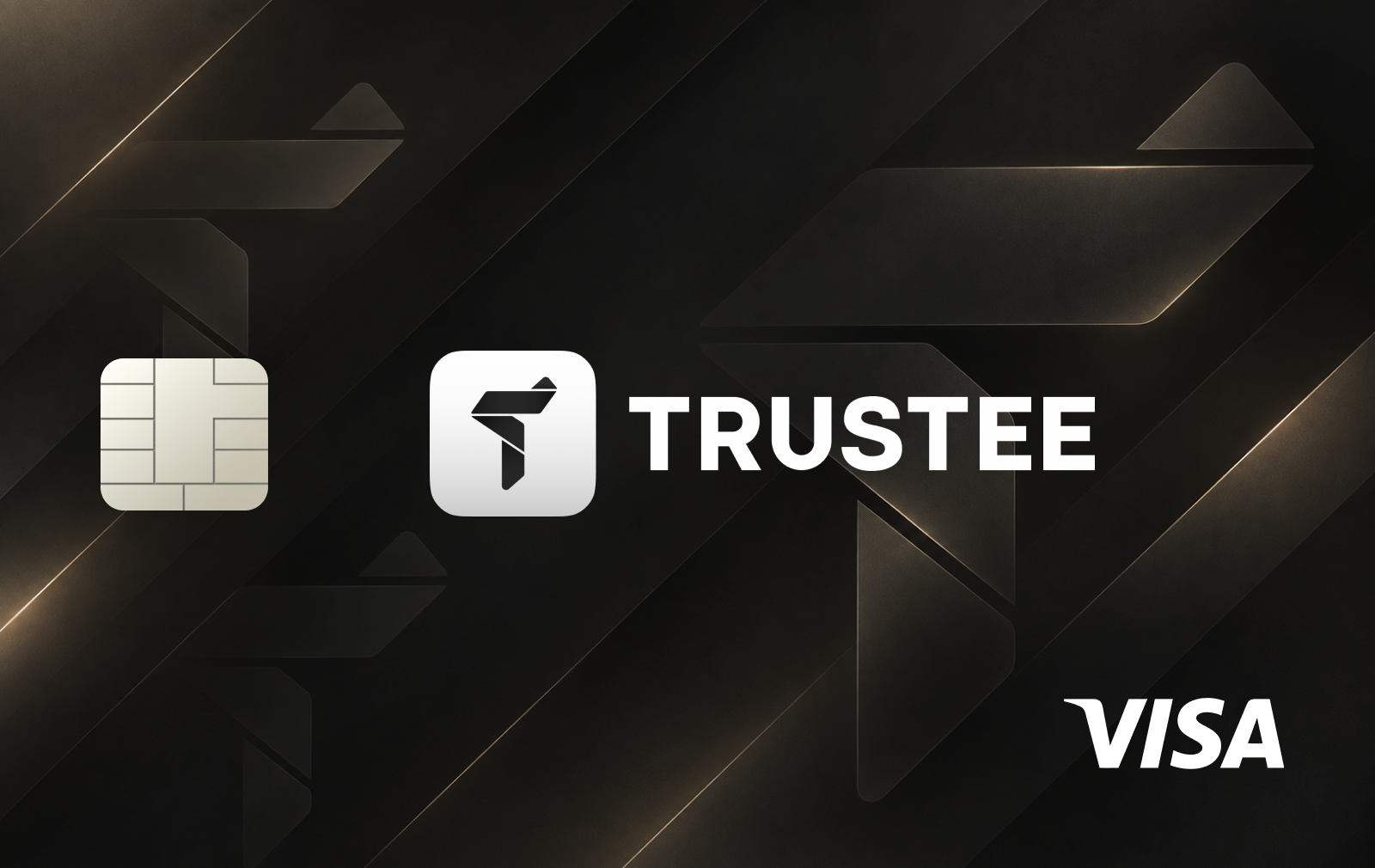
Neobankless Card, also known as NBS Card, is a crypto-linked payment card developed by Brazilian fintech Neobankless. It combines a USD-denominated spending account with USDC funding, international payments and access to tokenized financial assets.
The card operates through the Visa network and is marketed in virtual and physical formats. Its main distinguishing feature is a rewards program that converts eligible cashback into tokenized U.S. stocks or gold rather than conventional reward points.
Funding and supported assets
Neobankless primarily uses USDC for card funding and settlement. Brazilian users can convert BRL into USDC through PIX, with the platform advertising a 0.5% total conversion charge.
The platform also provides self-custodial access to digital assets and tokenized investments. However, card payments are processed through a third-party issuer, so the card itself is not equivalent to spending directly from an unrestricted self-custodial wallet.
Fees and limits
The Founder Edition is offered through the Founders Club at $50 annually, charged after application approval. The membership includes a fixed 0.5% conversion spread and additional account benefits.
Neobankless markets its card as having no Brazilian IOF charge. However, published card terms allow foreign-exchange fees of up to 1% and cross-border fees of up to 1%. These charges are separate from the platform's BRL-to-USDC conversion costs.
Spending limits are determined individually by Neobankless and its issuing partner rather than through one publicly guaranteed limit.
Cashback and rewards
Neobankless advertises 1% to 5% cashback on eligible card purchases, credited as tokenized assets rather than cash or loyalty points.
Depending on the program, rewards can include tokenized U.S. stocks, S&P 500 exposure or gold. The platform highlights assets such as Apple, Tesla and tokenized gold as potential reward options.
Cashback is intended to accumulate within the user's NBS account, where supported assets can be managed or sold. Actual reward rates and eligibility depend on the applicable program, and some users have reported delays in receiving rewards.
Availability
Neobankless primarily targets Brazilian customers and requires identity verification. Its current application process requests a Brazilian CPF, while access to the Founder Edition is subject to approval and invitation availability.
The card is advertised for international Visa purchases, but availability outside Brazil has not been fully established. The card program also depends on external issuing infrastructure rather than Neobankless operating as a traditional bank.
How to get the Neobankless Card
Download the Neobankless app for iOS or Android.
Create an account and complete identity verification.
Register for the Founders Club or request card access.
Wait for application approval and review the applicable membership fees.
Activate the virtual card or request the physical version if available.
Fund the account with USDC or convert BRL through PIX.
Configure the card and start making eligible purchases.









No comments yet
Be the first to share a useful experience with this card.