Best No-KYC Crypto Cards in 2026: Top 4


Top 4 crypto cards
A concise selection based on the cards included in this guide.
-
1
 Laso CardVisaCANADAno kyc optionnon custodialLaso Card is a crypto-funded virtual prepaid card offering no-KYC issuance for non-reloadable cards, multichain stablecoin funding, Google Pay support and region-specific spending options.
-
2
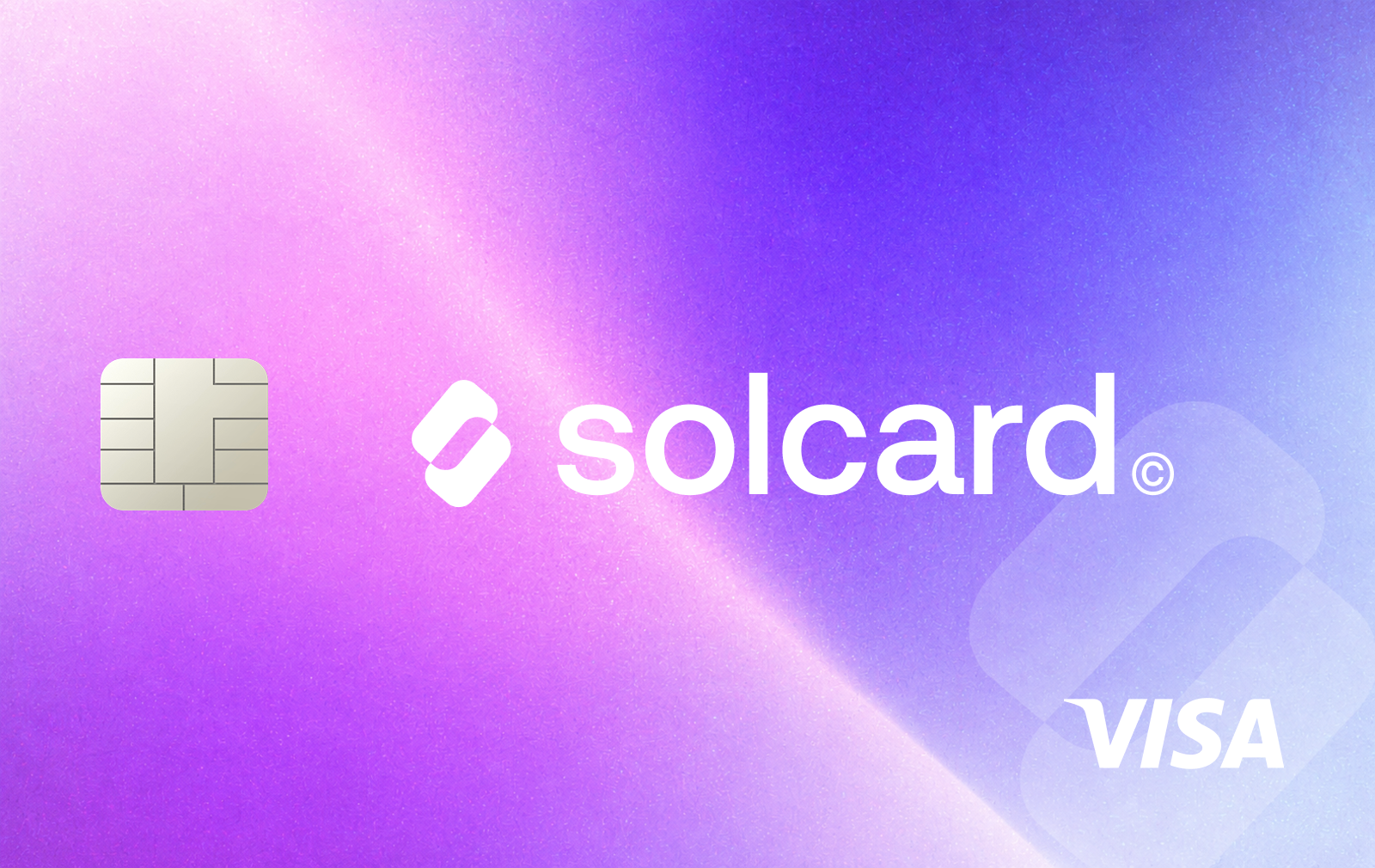 SolcardVisa / MastercardAPACcustodialno kyc optionSolCard is a crypto-funded prepaid card supporting SOL, USDC, USDT and other assets, with instant virtual issuance, a no-KYC option, multi-chain deposits and Apple Pay and Google Pay for Platinum users.
-
3
 Maxswap CardMastercardGlobalcustodialno kyc optionMaxSwap Card is a USDT-funded virtual prepaid card offering multiple card programs, Telegram-based management, Apple Pay and Google Pay support, and ATM access with the Premium option.
-
4
 Bing CardVisa / MastercardGlobalcustodialno kyc optionBing Card offers reloadable virtual and physical crypto cards funded with BTC, ETH, USDT or USDC, with separate products for online spending and higher-limit physical payments.
Most crypto cards require identity verification even when the linked crypto wallet operates without it. However, some services still allow users to get virtual cards without uploading a passport or completing the standard KYC process.
These options typically come with limitations: higher fees, lower limits or restricted functionality. We selected four crypto cards that do not require verification at issuance and compared their terms.
What to Know About No-KYC Crypto Cards
The absence of mandatory verification at registration does not mean complete anonymity. Payment services may screen transactions, restrict certain activities and request documents if questions arise about the source of funds.
Terms also often depend on the card type. For example, a virtual version may be issued without documents, while a physical card or higher limits require full identity verification.
When choosing a card, it is therefore important to consider not only the initial requirements but also the rules governing subsequent use of the funds.
Top 4 No-KYC Crypto Cards in 2026
1. Laso Finance
Laso Finance lets users get virtual prepaid cards funded with cryptocurrency. Obtaining a non-reloadable card does not require uploading a passport, completing facial verification or linking a bank account. Users simply need to connect a crypto wallet and pay the card issuance fee.
The service supports several blockchains, including Ethereum, Solana, Base and Polygon, as well as popular stablecoins USDC, USDT and DAI. The cards can be used for online shopping, subscriptions and other expenses, provided the merchant accepts prepaid cards.
The key feature is the non-reloadable model. Users set the balance when the card is issued, but cannot add funds to the same card later. The maximum amount is $1000 per card.
According to the help center, the funding fee for these cards is 3.8%, although terms differ for certain regional products. Currency conversion charges may also apply. Any unused balance cannot be withdrawn to a crypto wallet through a standard transfer.
Laso Finance is best suited to one-off purchases and planned expenses. Reloadable cards are more convenient for ongoing use, but Laso requires enhanced verification for those.
2. SolCard Virtual
SolCard Virtual is a virtual crypto card that can be obtained without uploading an identity document. The basic plan only requires email registration and funding the balance.
The service supports Visa and Mastercard and accepts BTC, SOL, USDT, USDC and other assets across several blockchains for funding. The card is issued once the crypto transfer is confirmed and is intended primarily for online payments.
The issuance fee is $10, and the funding fee is 5%. Each successful purchase incurs an additional $0.30 fee, while separate charges may apply to international transactions and currency conversion. The basic card has a monthly spending limit of up to $10 000.
Unlike Virtual, the Platinum plan requires KYC, but offers zero funding fees and support for Apple Pay and Google Pay.
The main drawbacks of SolCard Virtual are its relatively high funding fees and regional restrictions. The service's help center lists Ukraine among unsupported countries, so users should check current availability before requesting a card.
3. MaxSwap Card
MaxSwap Card lets users purchase virtual prepaid cards with cryptocurrency without a mandatory document upload in advance. The service offers several options for online shopping, subscriptions and contactless payments.
Its virtual Visa, in particular, supports Apple Pay and Google Pay. The card is issued using USDT on the Ethereum or Tron networks. It costs $50, with a minimum initial load of $25.
Additional charges are substantial: funding incurs a fee of 4.5% plus $1, while each successful purchase costs $0.25 plus 0.4% of the transaction amount. This makes MaxSwap difficult to describe as a cost-effective option for small, recurring payments.
However, the absence of KYC is not unconditional. MaxSwap's user agreement explicitly reserves the service's right to request identity verification if transactions violate its rules.
MaxSwap's main advantage is the ability to choose a card for specific needs, including payments in physical stores. However, its high issuance and transaction costs make it better suited to regular use than to a single small purchase.
4. BingCard
BingCard offers virtual crypto cards that, according to the service's description, do not require the standard KYC process for issuance. The physical version, by contrast, requires identity verification.
BTC, ETH, USDT and USDC are supported for funding. The cards are intended for online shopping, digital services and subscriptions. According to the company, issuing a virtual card takes up to five minutes.
Pricing depends on the product selected. For example, the service's pages list virtual cards starting at $25, a 2% funding fee and additional charges for currency conversion and international transactions.
However, BingCard's terms warrant particular attention. Its official pages contain pricing discrepancies, while its user agreement provides for identity verification and restrictions on unverified accounts.
In addition, public reviews and user feedback include reports of withdrawal delays and problems accessing funds. These complaints do not automatically justify conclusions about the service as a whole, but they are a reason to be cautious about keeping substantial balances with it.
BingCard may be an option for occasional online payments, but users should clarify the total cost of using the card and the refund terms before adding funds.
Which No-KYC Crypto Card Should You Choose?
Among the options reviewed, Laso Finance appears best suited to one-off purchases with a predefined budget. However, its non-reloadable cards are not suitable for continued use of a single balance.
SolCard Virtual offers a reloadable card and support for various cryptocurrencies, but comes with substantial fees. MaxSwap Card stands out for its contactless payment capabilities, but requires significant upfront spending.
BingCard also advertises issuance without KYC, although discrepancies in its terms and reports of problems accessing funds call for extra caution.
The main trade-off with these products is that a simpler application process does not eliminate financial and operational risks. Before adding funds, it is therefore particularly important to check the rules on account freezes, refunds and subsequent verification.
How We Selected the Crypto Cards
The ranking includes services that advertise virtual crypto card issuance without mandatory document checks in advance.
Our comparison considered issuance costs, funding and purchase fees, supported cryptocurrencies, available payment features and geographical restrictions.
We paid particular attention to the conditions for possible subsequent verification, fee transparency and access to funds. The rankings reflect these characteristics collectively, rather than ease of registration alone.
The information is based on the services' published terms as of November 2026. Actual product availability and user requirements may change.