Best Bitcoin Crypto Cards of 2026: Top 5 Cards for BTC



Top 5 crypto cards
A concise selection based on the cards included in this guide.
-
1
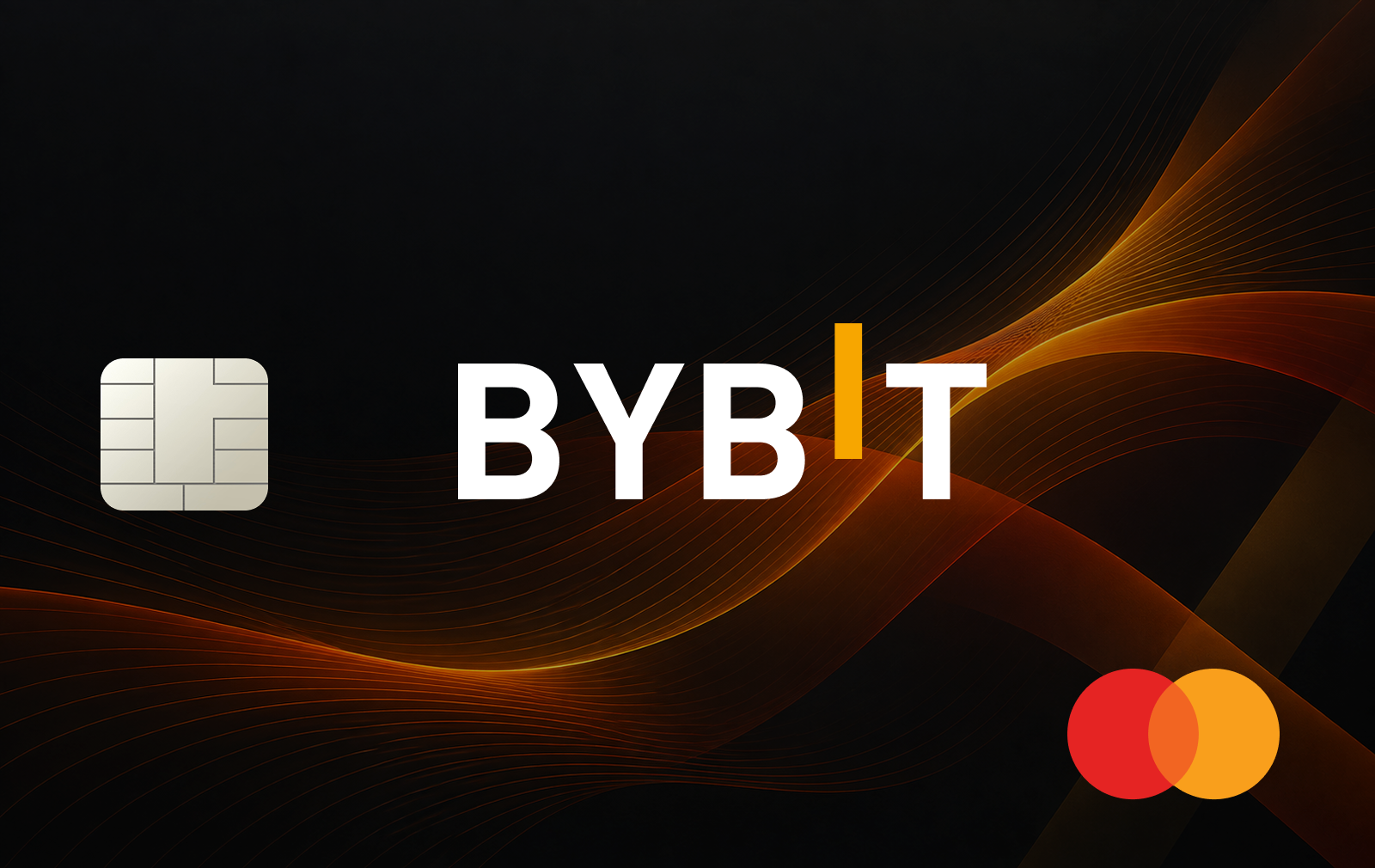 Bybit CardVisa / MastercardeucashbackcustodialBybit Card is a custodial crypto card linked to the Bybit Funding Account, with virtual and physical Visa or Mastercard cards, automatic crypto conversion and region-specific cashback.
-
2
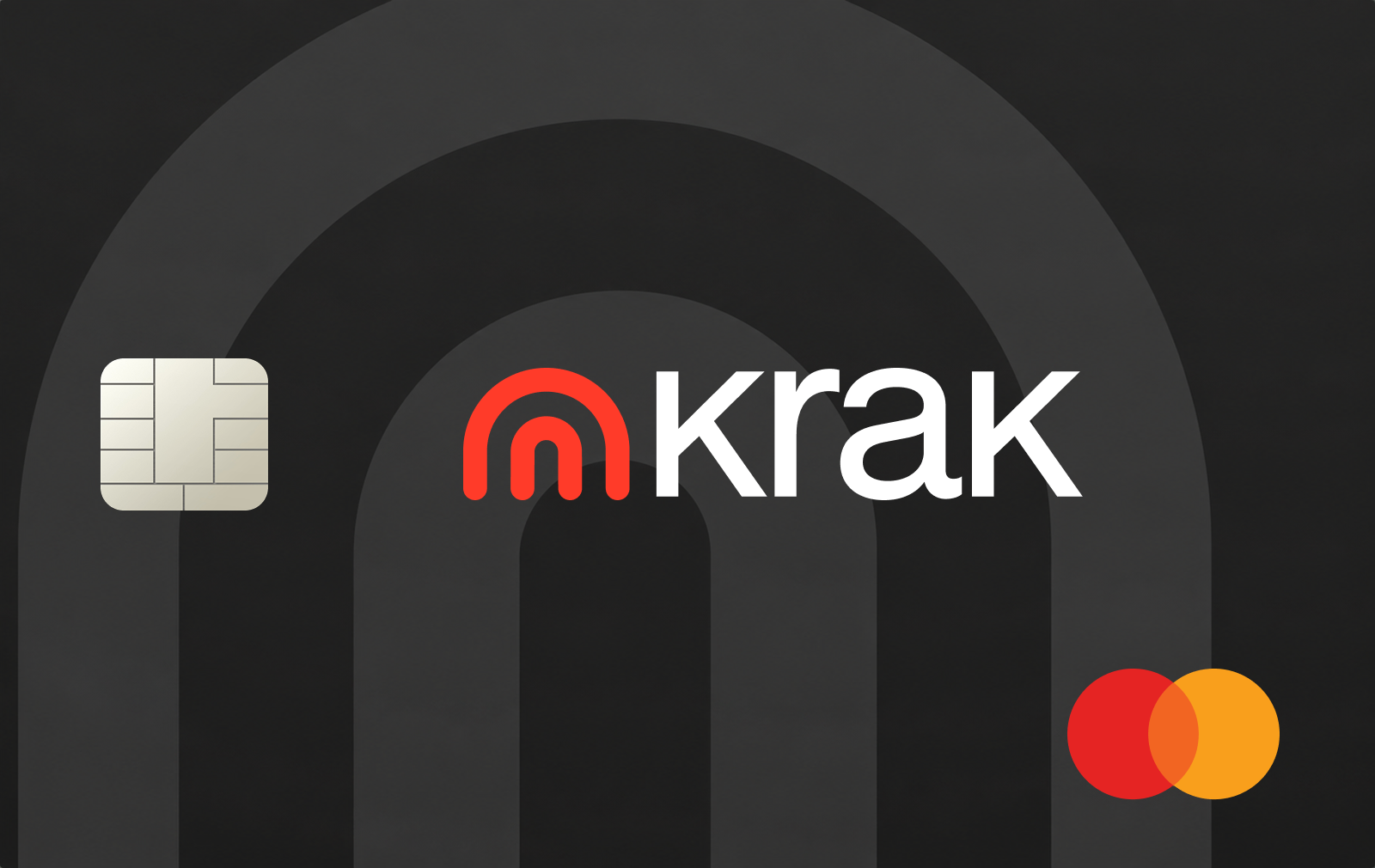 Krak CardVisa / MastercardeucashbackcustodialKrak Card is a custodial crypto debit card linked to the Krak Everyday account, offering direct spending from fiat and cryptocurrency balances, free virtual and physical cards, and up to 2% cashback.
-
3
 Nexo CardMastercardeucashbackcredit modeNexo Card is a custodial Mastercard combining crypto-funded debit spending and crypto-backed credit, with virtual and physical cards, up to 2% cashback and Apple Pay and Google Pay support.
-
4
 Bitpanda CardVisaeubank transfercashbackBitpanda Card is a Visa debit card that lets users spend crypto, precious metals or euros directly from their Bitpanda account, with 1% cashback on eligible crypto-funded purchases.
-
5
 Crypto.ComVisaeucashbackcustodialCrypto.com Card is a custodial crypto-funded prepaid Visa or Mastercard with virtual and physical cards, support for over 100 cryptocurrencies, automatic top-ups, and up to 4.5% CRO rewards through the Level Up program.
Bitcoin has long since moved beyond investment portfolios. Today, it can be used to pay for purchases, subscriptions and everyday expenses through Visa and Mastercard crypto cards. Merchants do not need to accept BTC: the payment service handles the conversion into fiat currency.
We selected five crypto cards that let you spend bitcoin or use it as collateral. We compared payment methods, fees and additional features to assess which options suit different needs.
How Bitcoin Crypto Cards Work
Most bitcoin cards use one of three mechanisms.
The first is the automatic sale of BTC at the point of purchase. The second involves topping up the card in advance by converting bitcoin into fiat currency. The third uses BTC as collateral to access spending funds without selling the cryptocurrency.
The distinction matters for more than just convenience. The model you choose determines when bitcoin is sold, the fees, potential tax liabilities and additional financial risks.
Top 5 Bitcoin Crypto Cards of 2026
1. Bybit Card — a Bitcoin Card with Automatic Conversion
Bybit Card lets you use BTC for purchases without first exchanging it for stablecoins. The card is linked to your Bybit Funding Account, and the required funds are automatically converted into fiat currency when a transaction is processed.
Users can set their own asset spending priorities. For example, they can choose Bitcoin as the primary payment source or keep it as a backup after USDT and USDC. If the available balance is insufficient, the system checks the other selected assets.
The virtual card is free to issue, and a rewards programme covers everyday purchases. A physical card, Apple Pay and Google Pay are also available, depending on the region.
The main additional cost is the cryptocurrency conversion fee. In some regions, this is 0.9% on top of the applicable Bybit exchange rate. International payments may incur a separate foreign exchange fee.
Bybit Card suits users who already hold BTC on the exchange and want to use part of their holdings for spending without manually exchanging funds before every purchase.
2. Krak Card — Bitcoin Payments with BTC Cashback
Krak Card from Kraken lets users pay for purchases using bitcoin and other assets held on the platform. The name Kraken Card is also used in European countries. The card products are integrated with the Krak app, where users can manage their available balances.
Users choose the order in which their assets are spent. For example, they can make BTC their primary payment asset or exclude it from automatic spending to preserve it as a long-term holding.
At checkout, the required amount is converted into the transaction currency. The service charges no monthly card fee or separate fee for standard payments in the base currency, but a spread is included in the cryptocurrency sale rate.
An additional benefit is up to 2% cashback on eligible purchases. Rewards can be received directly in bitcoin. The maximum rate depends on the user's average asset holdings and requires compliance with the loyalty programme's conditions.
Krak Card is particularly appealing to users who want not only to spend BTC but also to gradually build their bitcoin balance through everyday spending.
3. Nexo Card — Purchases Backed by Bitcoin Without Selling It
Nexo Card differs from most crypto cards by allowing users to pay for purchases without selling BTC. This is done through credit mode, in which bitcoin serves as collateral for a loan.
For example, users can hold BTC on the platform and access funds for everyday expenses within their available credit limit. Purchases are made with borrowed funds, while the bitcoin remains as collateral until the debt is repaid.
The card also supports a standard debit mode. In this mode, cryptocurrency is converted to cover payments, so users can switch between the two models in the app.
Credit mode offers up to 2% cashback in NEXO or up to 0.5% in BTC, subject to the programme's conditions. The virtual card has no maintenance fee.
However, avoiding a bitcoin sale does not make this payment method free. Interest may accrue on the credit used, and a substantial decline in BTC's value creates a risk that part of the collateral will be forcibly sold.
Nexo Card suits bitcoin holders who do not want to sell their assets but are willing to use them to access liquidity and understand the risks associated with borrowing.
4. Bitpanda Card — BTC Payments with a Choice of Primary Asset
Bitpanda Card is a Visa debit card that lets users pay for purchases using bitcoin and other assets available on the platform.
Its main feature is the ability to choose an asset for payments. For example, users can set BTC as their primary source of funds and euros or another cryptocurrency as a backup. If the selected asset's balance is insufficient, the system can use the additional payment source.
At the point of purchase, the required amount of bitcoin is automatically sold for euros. Users do not need to top up a separate card balance in advance. Bitpanda's standard trading fees apply, including when selling BTC.
Card issuance and standard maintenance are free. The service also offers cashback on purchases made using cryptocurrency. According to the published terms, the base rate is 1%.
The card suits users who hold BTC alongside other assets and prefer to manage payments through a single app. However, those making frequent small purchases should account for the cost of each conversion.
5. Crypto.com Visa Card — Topping Up a Card with Bitcoin
Crypto.com Visa Card uses a different model: before making payments, users top up their card balance by first converting BTC or another supported cryptocurrency into fiat funds.
This lets users choose when to sell their bitcoin. For example, they can exchange a certain amount of BTC, top up the card and then spend those funds over the course of a month.
The card supports top-ups with more than a hundred cryptocurrencies, including Bitcoin and Ethereum. Users have access to several card tiers, as well as CRO rewards programmes and additional benefits depending on their plan.
It is important to note that once the card is topped up, the funds are held in a fiat balance. Changes in the BTC exchange rate do not affect this amount, but converting the money back into bitcoin requires another exchange transaction.
Crypto.com Visa Card suits those who prefer to set their BTC spending budget in advance and do not want cryptocurrency to be sold automatically with every purchase.
Which Bitcoin Crypto Card to Choose in 2026
Bybit Card, Krak Card and Bitpanda Card are convenient options for regular spending funded by BTC. They automatically convert cryptocurrency at checkout but differ in their fees, balance settings and rewards programmes.
Nexo Card offers a distinct option for bitcoin holders who want to retain their asset and use it as collateral. This model does, however, involve credit risks.
Crypto.com Visa Card is better suited to planned spending, as it lets users choose when to convert BTC.
When choosing a card, focus first on the conversion mechanism, the total cost of payments and availability in your country of residence. Even a small difference in fees can have a significant impact on costs when making regular purchases.
How We Selected the Bitcoin Crypto Cards
For this ranking, we considered cards that allow users to spend BTC directly or access funds using it as collateral.
The main criteria were how bitcoin is spent, conversion costs, fee transparency, ease of card management and geographic availability.
We also considered rewards programmes, support for mobile payments and the ability to control when BTC is sold. The rankings reflect the overall combination of features, rather than simply the lowest fee or highest cashback rate.
The ranking is based on the services' published terms as of November 2026. The availability and pricing of individual products vary by region.