Best Crypto Cashback Cards in 2026: Top 9


Top 9 crypto cards
A concise selection based on the cards included in this guide.
-
1
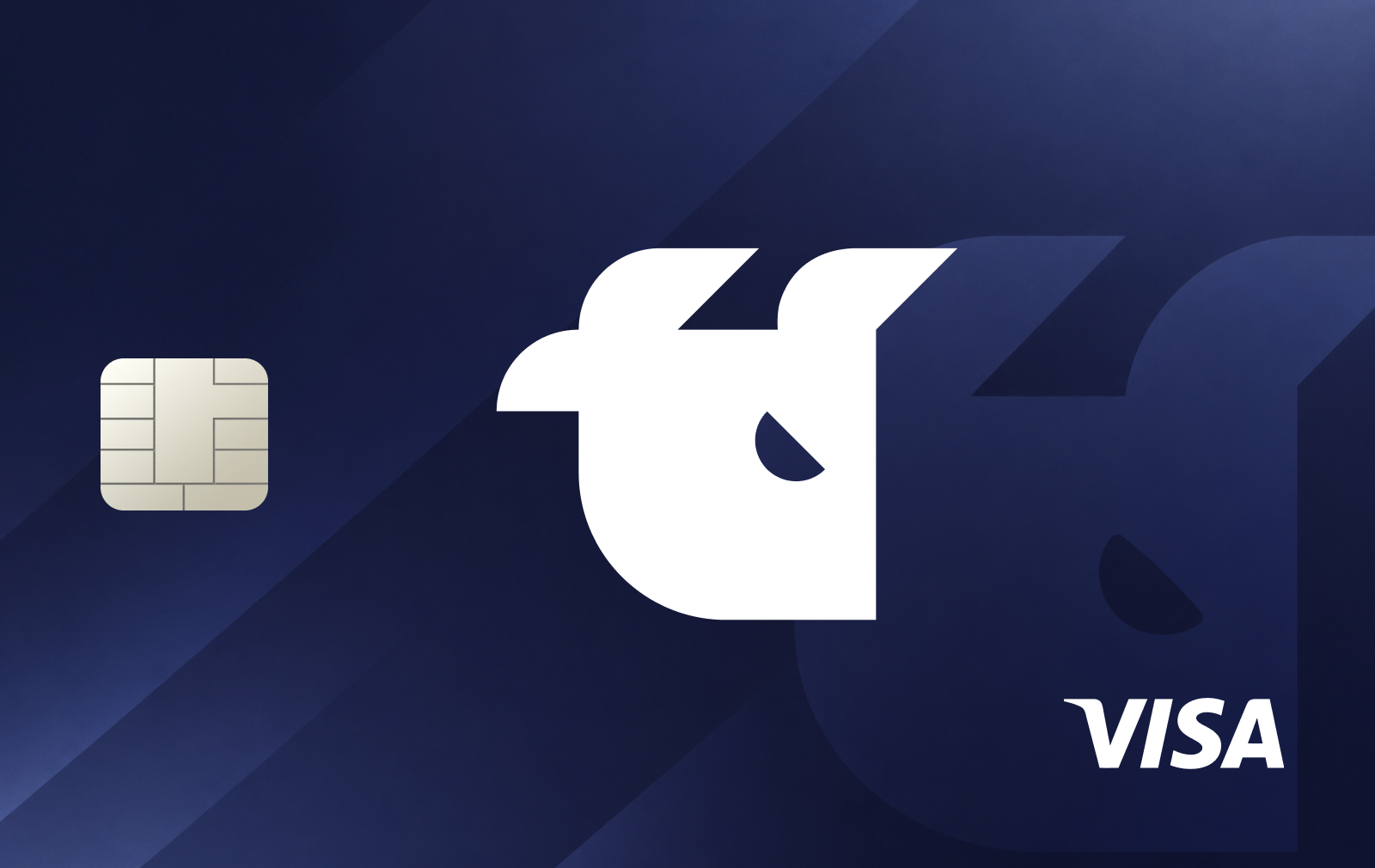 Whitebit Nova CardVisaeucashbackcustodialWhiteBIT Nova is a Visa debit card linked directly to a WhiteBIT exchange balance, with crypto spending, virtual and physical cards, and up to 10% cashback in BTC or WBT.
-
2
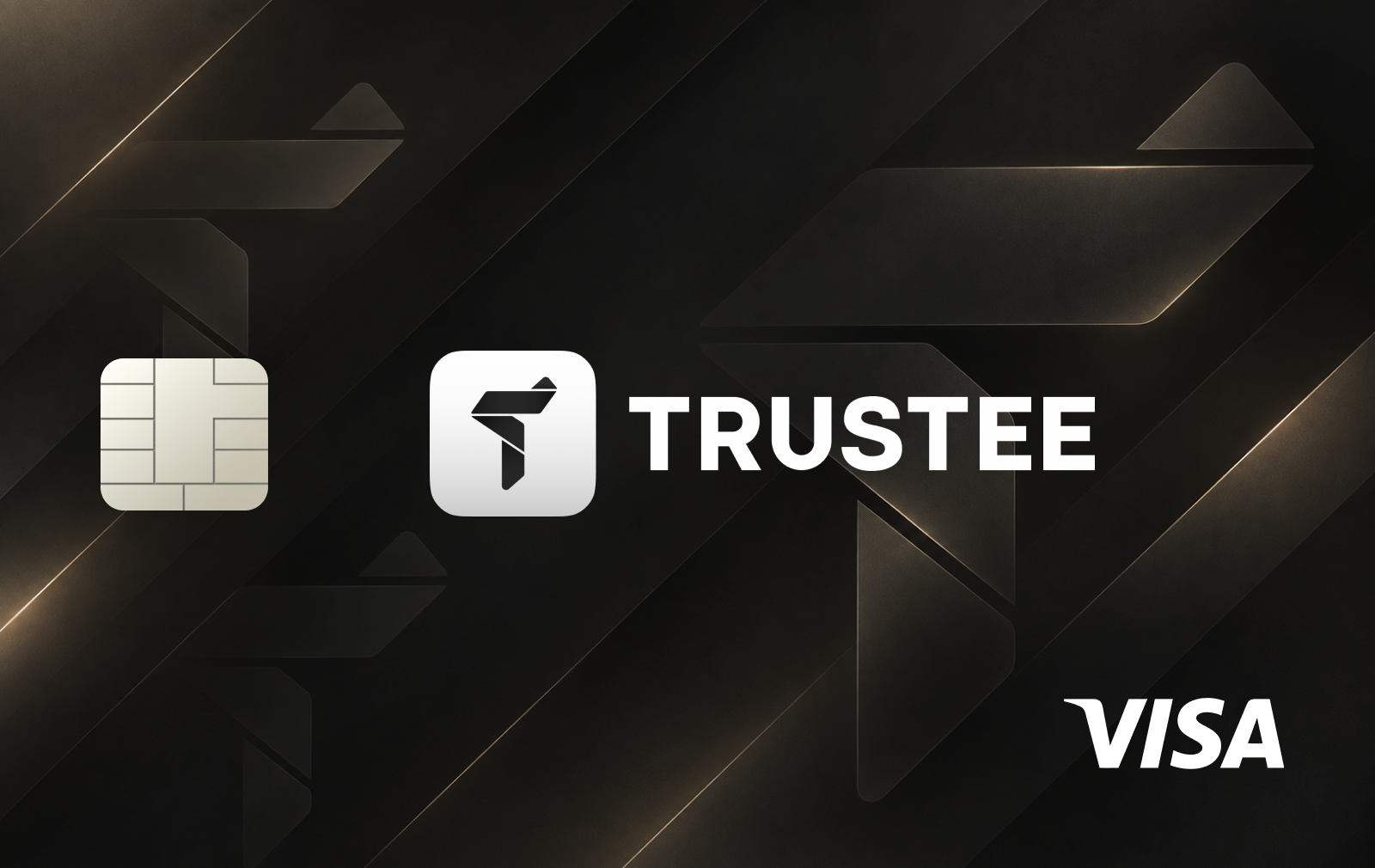 Trustee Plus CardVisaeumobile paynon custodialTrustee Plus Card is a crypto-linked payment card. Compare custody, fees, tiers, limits and regional availability before applying.
-
3
 Okx CardVisa / MastercardeucashbackcustodialOKX Card is a crypto debit card linked to OKX Pay, offering automatic stablecoin conversion, no card issuance or monthly fees, Apple Pay and Google Pay support, and up to 10% cashback depending on region and VIP tier.
-
4
 Bybit CardVisa / MastercardeucashbackcustodialBybit Card is a custodial crypto card linked to the Bybit Funding Account, with virtual and physical Visa or Mastercard cards, automatic crypto conversion and region-specific cashback.
-
5
 Etherfi Cash CardVisaeucashbackcrypto backed creditether.fi Cash Card is a self-custodial Visa credit card offering direct stablecoin spending or crypto-backed borrowing, virtual and physical cards, up to 4% cashback in ETHFI, Apple Pay and Google Pay, and ATM withdrawals.
-
6
 Tria CardVisaGlobalTria Card is a crypto-funded Visa integrated with a self-custody wallet, offering virtual and physical cards, support for 1,000+ tokens, up to 6% stablecoin cashback, Apple Pay, Google Pay and ATM withdrawals.
-
7
 Crypto.ComVisaeucashbackcustodialCrypto.com Card is a custodial crypto-funded prepaid Visa or Mastercard with virtual and physical cards, support for over 100 cryptocurrencies, automatic top-ups, and up to 4.5% CRO rewards through the Level Up program.
-
8
 Metamask CardMastercardeucashbacknon custodialMetaMask Card is a self-custodial crypto debit Mastercard offering direct spending from MetaMask wallets, automatic token conversion, Apple Pay and Google Pay support, and up to 3% cashback in mUSD.
-
9
 Nexo CardMastercardeucashbackcredit modeNexo Card is a custodial Mastercard combining crypto-funded debit spending and crypto-backed credit, with virtual and physical cards, up to 2% cashback and Apple Pay and Google Pay support.
Crypto cards let you not only pay with digital assets but also earn back a portion of your spending. In 2026, some providers offer up to 10% cashback, although the highest rates usually come with restrictions on spending amounts, purchase categories or user tiers.
Rewards may be paid in Bitcoin, stablecoins, platform tokens or reward points. We selected nine crypto cards with different rewards programs and examined how much you can earn on everyday purchases.
1. WhiteBIT Nova
WhiteBIT Nova offers one of the most flexible crypto cashback programs. Users choose up to three spending categories and receive rewards in Bitcoin (BTC) or WhiteBIT Coin (WBT).
The maximum rate reaches 10% for certain categories, particularly subscriptions. Lower rates apply to other spending. For example, the program covers groceries, taxi rides, entertainment and pet supplies. Categories can be changed once every seven days, and current rates are displayed in the app.
The main restriction is a monthly cashback cap of €25. Accumulated rewards can be withdrawn to the main WhiteBIT balance once they reach the minimum threshold equivalent to 5 USDC. Card issuance and maintenance are free.
WhiteBIT Nova is particularly appealing to users whose regular spending matches the higher-cashback categories. However, the maximum 10% does not apply to all purchases, and once the monthly cap is reached, further spending no longer earns rewards.
2. Trustee Plus
Trustee Plus takes an alternative approach to cashback. Rather than receiving a fixed percentage of each purchase back, users earn Trustee Points (TP), which let them participate in a seasonal rewards program.
Since March 2026, points have been awarded for card transactions. The more frequently users pay for purchases and the more they spend, the more TP they accumulate. Points do not expire at the end of a season and count toward the overall activity ranking.
Each season lasts three months. At the end, the most active participants receive prizes, while additional prize draws offer a chance to win rewards without necessarily reaching the top of the rankings. Announced rewards have included cash prizes, electronics and other gifts.
The Trustee Plus card is integrated into a mobile app featuring a non-custodial crypto wallet, asset swaps and support for Apple Pay and Google Pay. Card maintenance is free, and the fee for regular purchases is 0%. Verification is required to access card services.
The main difference between Trustee Plus and its competitors is the absence of guaranteed cash cashback on every purchase. The program's value depends on accumulated TP, seasonal rules and the rewards received. This format is better suited to people who use their card regularly and are interested in additional incentives.
3. OKX Card
OKX Card offers cashback in the USDG stablecoin. The reward rate depends on the user's VIP status and the program terms in their region.
In the European Economic Area, the standard rate is 2%, while the maximum reaches 10% for users at VIP 4 and above. From September 2026, standard users can earn up to €50 in cashback per month, while limits for higher tiers are significantly larger.
An important detail: rewards are earned only on eligible purchases paid for with USDG. If users pay through OKX Card with other supported assets, such as USDC, no cashback is awarded.
Rewards are credited to the OKX Pay account in USDG after the transaction is processed. Several categories are excluded from the program, including financial transfers, gambling and certain government payments.
OKX Card stands out for its clear base rate and the ability to earn rewards in a stablecoin. However, the maximum rate is aimed primarily at users with high VIP status.
4. Bybit Card
Bybit Card combines payments from a crypto balance with a tiered rewards program. The standard rate is 2%, but as monthly spending or the user's VIP tier increases, it can rise to 4%, 6%, 8% and even 10%.
Rewards are initially credited as Bybit reward points. These can be redeemed through the Rewards Market, or users can set up automatic conversion into cryptocurrency through Auto Cashback.
At the base tier, the monthly cashback cap is just $5. It increases at higher tiers, so the advertised rate does not always reflect the actual benefit for users with modest spending.
From October 5, 2026, purchases must be funded with cryptocurrency to earn Bybit Card rewards. Cash withdrawals, certain financial transactions and purchase refunds are also excluded.
Bybit Card is best suited to active users of the exchange. For them, the card extends their existing financial setup, and activity on the platform can unlock higher reward tiers.
5. ether.fi Cash
ether.fi Cash combines a Visa crypto card, non-custodial infrastructure and decentralized finance tools.
At the base Core tier, the service awards 3% cashback on the first $2000 of eligible monthly spending. For the next $1000, the rate drops to 1%, and for further spending, to 0.5%. Higher membership tiers have higher thresholds.
Rewards are paid in ETHFI tokens. Once a purchase is confirmed, the rewards are subject to a seven-day lockup, and users must accumulate at least $5 in available cashback before claiming it.
A distinctive feature of ether.fi Cash is the ability to make purchases using loans secured by crypto assets. This avoids having to sell those assets at the time of payment, but introduces additional risks associated with collateralized borrowing.
The card appeals to users who already use DeFi and want to earn rewards on everyday spending. However, the value of ETHFI can fluctuate, so the actual value of the cashback also depends on the token's market price.
6. Tria Card
Tria Card offers several card tiers with different cashback rates. The virtual card offers 1.5%, Signature offers 4.5%, and Premium offers 6%.
However, it is especially important to consider the limits. For the virtual card, the 1.5% rate applies only to the first $100 spent each month. The limit is $1000 for Signature and $2000 for Premium. Once these amounts are exceeded, cashback drops to 0.5% or 1%, depending on the tier.
Rewards are paid in the supported stablecoins USDC or USDT to the linked crypto wallet. The program terms also provide for possible additional bonuses for certain categories of users.
Tria uses multichain infrastructure, allowing users to spend digital assets from different blockchains. However, higher rates require the corresponding card tier, and its cost needs to be weighed against the potential benefit.
Tria Card should therefore be assessed based on actual monthly spending, rather than just the maximum 6% advertised rate.
7. Crypto.com Visa Card
Crypto.com Visa Card remains one of the best-known products offering crypto rewards. Cashback is paid in CRO, the native token of the Cronos ecosystem.
The reward rate depends on the Level Up program. The basic free option does not offer cashback on regular purchases. Higher tiers offer between 2% and 5%, depending on the terms and region.
To access the benefits, users must take out a subscription or lock up or stake a specified amount of CRO. For example, the highest tiers may require substantial investment in the token.
Additional benefits include reimbursements for certain subscriptions, airport lounge access and higher limits. However, the availability of these benefits depends on the plan.
Crypto.com's main drawback is the cost of accessing higher cashback rates. In addition, rewards are paid in CRO, whose price can fluctuate. The card is most appealing to people who already use the Crypto.com ecosystem and are willing to factor in these considerations.
8. MetaMask Card
MetaMask Card lets users pay for purchases directly from a non-custodial wallet, retaining control of their assets until the transaction takes place.
The free virtual card offers 1% cashback in the mUSD stablecoin. For users of the Metal card, the rate increases to 3% on the first $10 000 of eligible annual purchases, then drops to 1%.
However, the Metal version costs $199 per year. The additional benefit compared with the free card therefore depends on spending levels and the use of other premium plan benefits.
The card runs on Mastercard and supports payments using several crypto assets, including USDC, USDT and mUSD. Certain transactions may incur conversion and network-related fees.
MetaMask Card appeals to non-custodial wallet holders who want relatively straightforward cashback without having to use a centralized exchange.
9. Nexo Card
Nexo Card combines debit and credit payment modes. Users can spend available assets or borrow against their cryptocurrency.
Cashback is earned specifically in credit mode, provided the value of digital assets in the account exceeds $5000. The rate depends on the user's Nexo loyalty tier.
The maximum rate is 2% when rewards are received in NEXO tokens. If users prefer Bitcoin, the maximum cashback drops to 0.5%. Lower rates apply at entry-level tiers.
High cashback therefore requires both a sufficient balance and a particular loyalty tier. In addition, using credit mode means factoring in borrowing costs and collateral risks.
Nexo Card is better suited to users who already hold substantial assets on the platform and use its lending tools.
Which Crypto Cashback Card to Choose in 2026
The highest rate does not always mean the greatest benefit. For example, WhiteBIT Nova offers up to 10% but caps monthly rewards at €25. OKX Card offers 2% at the standard tier, while Bybit makes higher rates available primarily to highly active users.
Trustee Plus is an appealing option for everyday use, with its points and seasonal rewards program, although this format cannot be compared directly with fixed cash cashback.
Users of non-custodial wallets should consider MetaMask Card and Tria, while those active in DeFi may want to look at ether.fi Cash. Crypto.com and Nexo offer additional benefits within their own financial ecosystems.
When choosing a card, focus not on the maximum rate but on how much you can actually earn back on your usual spending, taking into account monthly limits, fees, plan costs and reward eligibility requirements.
How We Selected Crypto Cards for the Ranking
In compiling the ranking, we considered current cashback programs, base and maximum rates, spending limits and the form in which rewards are paid.
We also assessed the availability of bonuses without an additional subscription or high VIP status, fees and the ability to use the card for regular everyday spending.
The ranking includes both products that return a fixed portion of spending and cards with bonus programs. Their mechanics differ, so the positions reflect the overall terms and features rather than solely the advertised rate.
The information is based on providers' published terms as of October 2026. Actual rates and card availability may vary by country and change over time.